How-to Guides

How citizen scientists collect data and put it on the website
Follow along as citizen scientists Morgan and Harry collect data and put it on the Vital Signs website.
How students put their data on the website
Watch students Will and Flo publish a "not found" species observation to the website!

How teachers set up investigations & accounts for their students
This one guides educators through the process of setting up a new investigation and setting up user accounts for student teams . Follow along as Tom gets ready to go on a Vital Signs adventure with his class!

When NOT FOUND is good. Really good.
Monsters. Cavities. Invasive species. These are all really great things to look for, but not necessarily great things to find. This guide shows situations when a NOT FOUND claim is a great claim to be able to make.
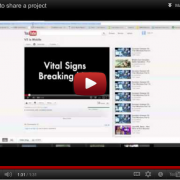
How to post a project to the Project Bank
Create multimedia projects to share what you find and what you learn. This video guides you through how to share your projects in the Project Bank so that we can all learn, reuse, and remix.
Map Guides
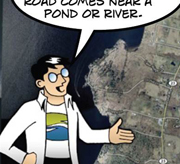
How do I find things on the map?
Where is my school? Where are my observations? Dana shows you how he uses clues on the Vital Signs map to find the places in Maine he cares most about.
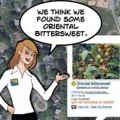
Where else is that species?
In this Map Guide, see how you can use the map to find out where the species you're most interested in has been found in Maine!
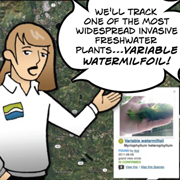
How can I see if an invasive is spreading?
Eliza uses the Vital Signs map to track variable watermilfoil. See how you can use the map to watch a species changes through time, and then quickly turn your analysis into a movie!
Download it!
MOVIE: Variable watermilfoil in Maine, 1970-2012
Do Vital Signs
Map your data

Cruise the map to see which species have been looked for. Were they found? Not found?
Map it!